For your first clubs and bag, start with the exact manufacturer’s care instructions, clean only the surfaces and materials those instructions cover, and let equipment dry before storage. Separate routine cleaning from repair: a loose component, crack or damaged strap needs assessment, not a stronger cleaner.
This guide covers a basic after-round routine using written US manufacturer guidance checked on 17 October 2026. It is not a tested cleaning recipe for every finish, grip, fabric or personalized item. If your model’s instructions differ from the examples below, resolve that difference with its manufacturer before proceeding.
Start with the items you actually own
Keep the club and bag model names, care labels, purchase receipt and any customization instructions together. Separate the heads, shafts, grips, headcovers, bag fabric and trim in your notes. A method approved for one component does not establish compatibility with everything attached to it.
If the equipment is rented or borrowed, ask about its return and cleaning procedure instead. Use the rental handover checklist; do not apply products or change parts without the owner’s permission.
Clean clubs within the manufacturer’s instructions
Titleist’s club-care page says its drivers, woods, hybrids, irons and wedges can be cleaned with mild soap and water, then dried with a soft cotton cloth. It also says clubs and headcovers should be completely dry before storage because wet headcovers can contribute to rust and corrosion.
That statement is specific to the named Titleist categories. It does not tell you to soak a whole mixed-brand set, flood shaft connections or use a chemical cleaner on every finish. Check your own club instructions and any separate grip-care directions before choosing a method.
The same Titleist page gives additional drying and storage guidance for certain carbon-steel Scotty Cameron putters. A putter’s material and finish matter; do not generalize from a photograph or add oil, polish or abrasives based on an unrelated model’s advice. If the finish or material is unknown, ask before treating it.
Give the bag and covers their own care check
The Titleist gear-care instructions distinguish fabric spot cleaning with water and mild detergent from gently wiping leather trim with a damp cloth. That distinction is useful when a bag has more than one material.
VESSEL’s bag-care guide also describes damp-cloth cleaning, avoiding soaking and allowing the bag to dry before storage. Its broader cleaning-product suggestions should not be assumed compatible with every bag or decoration.
Our suggested sequence is to empty pockets, remove loose debris, identify the material you plan to clean and follow that item’s written method. Keep liquids, damp towels and other wet accessories separate while the equipment dries. Check the headcover’s own material instructions; club-head cleaning guidance does not establish that its cover can go in a washing machine.
For embroidered panels or custom headcovers, request care directions for the actual thread, fabric, leather, print or other finish. “Personalized” describes an appearance change, not a cleaning specification.
Use a short after-round worksheet
| Task | What to establish |
|---|---|
| Account for equipment | Clubs, covers, rental items and belongings are all present |
| Separate wet items | Identify what needs drying, including the inside of a cover |
| Clean approved surfaces | Follow the exact model/material instructions, leaving unknown treatments unused |
| Check visible condition | Note cracks, looseness, tears or changes that need professional assessment |
| Dry before storage | Do not assume the outer surface proves the whole item is dry |
| Prepare the next visit | Restock needed supplies using the first-bag checklist |
This is an editorial reminder list, not proof that equipment is structurally safe. If a component seems loose, damaged or different after use, set it aside and contact the manufacturer or a qualified repair provider before using it again.
Store dry equipment away from damaging conditions
VESSEL recommends a dry, climate-controlled storage area and advises against a hot trunk or humid garage. It also warns against overloaded pockets and hanging bags from straps for long periods. Check your bag’s instructions for how it should be supported and stored; no single positioning rule covers every bag design.
Do not pack damp equipment away for the next round and assume it will dry inside the bag. Allow the recommended drying process to finish first. Keep manufacturer instructions available if a spill, persistent stain or unusual finish requires more than the routine method.
Stop before cleaning becomes repair
This guide does not cover sanding a face, sharpening grooves, removing rust chemically, bending a shaft, replacing structural parts or refinishing a club. Those jobs change the task and require item-specific assessment. Titleist’s repair guidance notes that some third-party repairs can leave a club unserviceable by its own department; do not infer warranty coverage for a proposed modification.
When contacting a provider, send the exact model, clear photos and a factual description of what changed. Ask about the assessment, proposed work, quote and effect on the applicable warranty. Keep cleaning and appearance personalization as separate decisions.
Sources and scope
The linked Titleist club-care/repair page, Titleist gear-care instructions and VESSEL bag-care guide were read on 17 October 2026. Two Titleist pages are one manufacturer’s guidance; VESSEL provides the separate bag-care cross-check. Instructions are attributed to their applicable product categories, not independently tested by TeeClear. No cleaner, repair technique, finish durability or service-life improvement was measured.
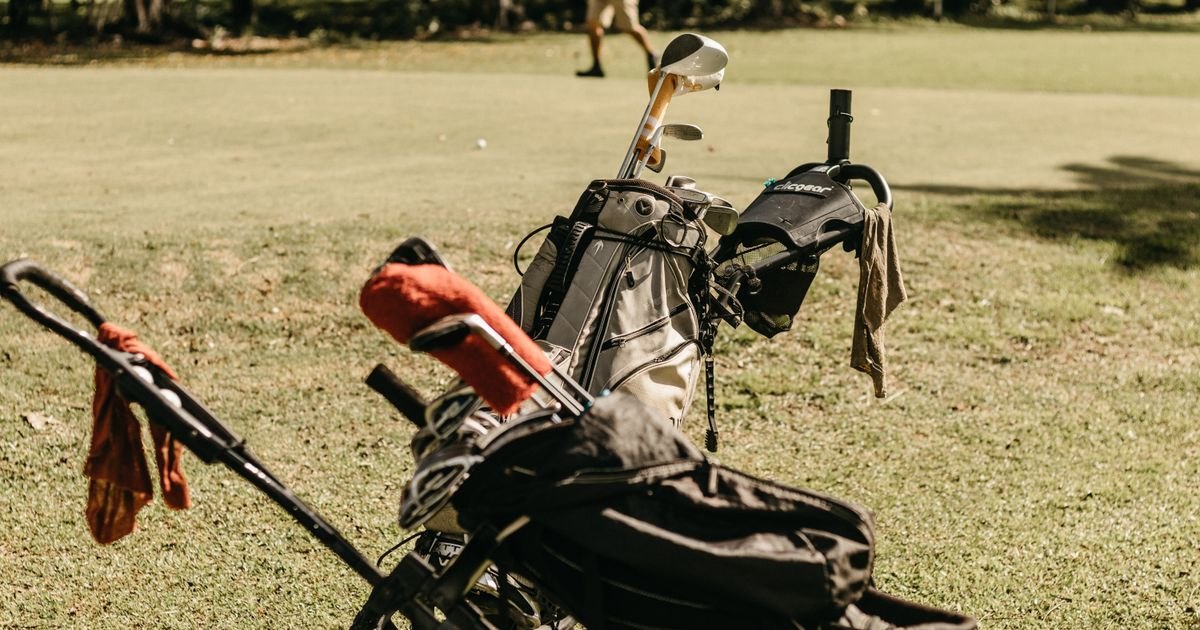
Cover photo: Kawê Rodrigues on Pexels, under the Pexels License. Illustrative equipment photograph, not a before-and-after cleaning test.