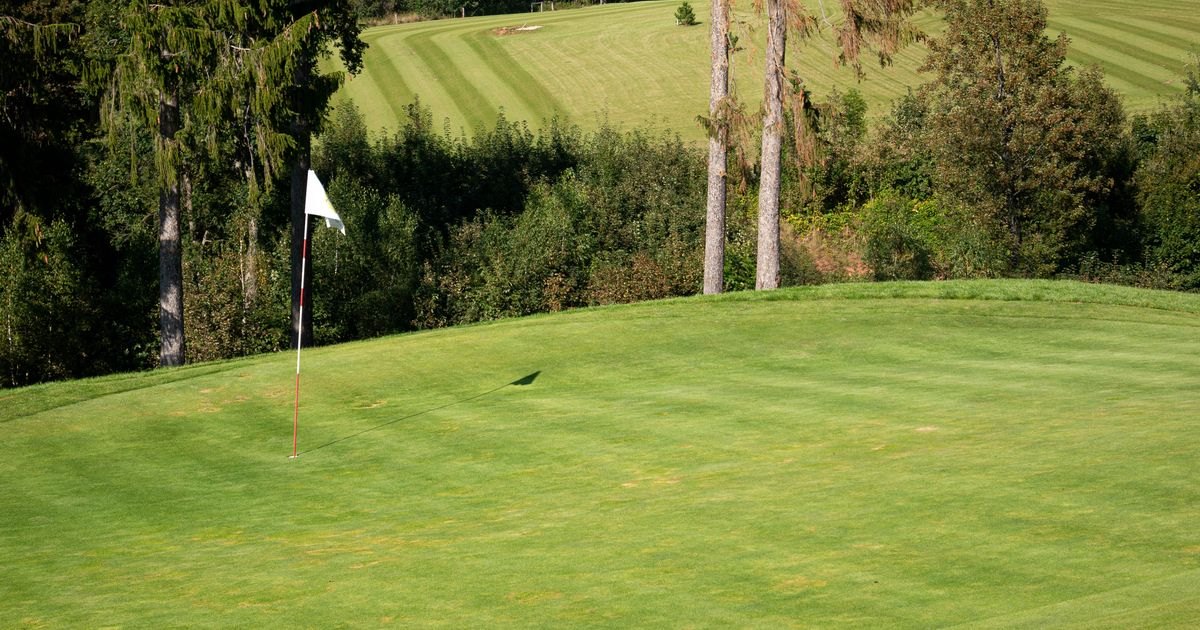
Choosing a Golf Course for Your First Round
Choose a golf course for your first round by comparing playing length, access, beginner support, equipment, transport and the complete visit cost.
Plan your first round of golf: choose an outing, confirm a tee time, pack, check in and follow a considerate course routine.
Last updated
| If you want to… | Read |
|---|---|
| Before booking your first golf tee time, confirm beginner access, rentals, total cost, arrival instructions and cancellation terms. | What to Ask Before Booking Your First Tee Time |
| A first-round golf packing list: confirm clubs or rentals, balls, tees, a marker, towel, scoring method, booking details and weather needs. | What to Bring to Your First Round of Golf |
| Learn how to read a golf scorecard, identify tees, yardage and par, and enter casual gross scores with a clearly labelled practice example. | How to Read and Fill Out a Golf Scorecard |
| Golf etiquette for beginners: stay clear of swings, avoid distractions, care for greens and bunkers, and record scores after moving clear. | Golf Etiquette for Beginners: Before, During and After a Shot |
| A beginner golf pace-of-play plan: identify the delay, reduce wasted time safely and ask staff about the right next step for your format. | What to Do When You’re Falling Behind on the Course |
| Choose beginner golf tees using the actual scorecard, manageable carries and staff advice, even without a known hitting distance or handicap. | Choosing Tees for Your First Round |
For your first round of golf, confirm a suitable tee time, arrange clubs or rentals, pack for the conditions and check in as the course requests. Use this guide for the whole visit; follow the linked guides for each task. You can learn the routine without purchasing a complete new bag first.
This guide covers a casual first visit to an outdoor course. A competition, handicap submission or organised beginner programme can have additional requirements. Ask the organiser before assuming the same procedure applies.
If you have not visited a practice facility yet, use the first driving-range visit guide. For a coached session, prepare your first golf lesson instead; the booking and equipment questions differ. When you are arranging the course outing, build a complete first-round budget from the actual quote.
For a fillable worksheet, calculate your first-round budget using your own quotes. Unconfirmed costs remain visible rather than being treated as free.
Use how to choose a course for your first round to compare hole count, actual playing length, beginner support and the whole visit before selecting a venue.
Ask the golf shop whether a shorter course, nine holes or an accompanied beginner session would suit you. Describe your experience honestly: perhaps you have taken lessons or only used a driving range. Staff can suggest a practical starting point. Tee colours do not have a universal meaning across courses, so ask which playing distance fits your situation.
Once you have a venue, use choosing tees for your first round to check the actual scorecard and the shots that must cross an obstacle, including what to ask when you do not know your distances.
The PGA of America recommends talking to a local professional about starter programmes. Our suggestion is to make that conversation before buying equipment or inviting a full group. If possible, bring someone willing to explain the routine patiently. See questions to ask before booking.
If you do not have a partner, use booking your first round as a single to distinguish one reserved place, pairing and a private round.
Save the date, start time, number of holes, players and total charge. Ask about rental availability, clothing, check-in, cancellation and weather arrangements. Do not treat the tee time as the moment to enter the car park. Work backwards from the course’s requested check-in time and add travel and parking time.
Bring your confirmed clubs or rental details, balls, tees, a marker, a towel and a way to keep score. Check what the rental includes. Add weather protection and permitted refreshments. Our packing guide separates essentials from optional purchases; the interactive checklist helps you check the plan before leaving home.
If you plan to own clubs, follow the first-clubs buying checklist. A first round is not a reason to buy every accessory at once.
Tell the shop it is your first visit. Confirm where to collect equipment, whether to report to a starter and how to reach the practice area and first tee. The PGA’s facility guide describes check-in and starter contact as common steps, rather than a promise that every course has the same layout.
Keep the booking confirmation available and ask staff to confirm your player count, booked holes, proposed tees and equipment collection. If you have rented clubs, check the actual inventory and the handover/return requirements before leaving the collection point; the rental guide provides a separate checklist.
Two US examples checked on 17 October 2026 show why location and timing need confirmation. Brookline Golf Course’s written guest instructions place check-in outside the Golf Shop behind the clubhouse, describe rental arrangements there and ask golfers to meet the starter before their tee time. Eagle Crest’s course information describes cart collection at check-in and publishes course/date-specific operating and return instructions. Neither page establishes the procedure for a different venue. Ask where to go and when to be ready; do not assume the tee time is your arrival time or that every facility requires the same number of advance minutes.
Meet your group, agree how you will record the outing and ask where current course instructions are displayed. Read the scorecard guide before trying to interpret unfamiliar rows on the tee.
Wait until it is safe to play, keep clear of other swings and prepare your equipment while you wait without distracting anyone. Ask for help with course care. Follow etiquette before, during and after a shot.
If a gap develops ahead, use the falling-behind plan. Saving time between shots is more useful than rushing a swing.
Return rentals, check you have your belongings and thank your group. Record one thing you understood and one question to ask at your next lesson. A useful note might be “I could not find the next tee after hole three”; it need not be a complete statistical analysis. Keep any learning score clearly separate from a competition or handicap record.
Before leaving, count rented clubs and accessories against the handover record, use the agreed return point and ask staff about any missing item or damage. Ask whether anything else is required to close the rental; do not assume leaving a bag beside a cart completes the return. Brookline directs carts back to their pickup area, while Eagle Crest’s published instructions distinguish timed cart returns and its Resort shotgun finish. Follow the instruction for your actual course, item and date, rather than importing either example’s procedure.
For your own equipment, separate wet items and use the club and bag care guide before storage. Save the next practice or lesson question while the visit is fresh; optional new equipment or personalization can wait until you understand the need.
After your first round of golf, write down a concrete observation, something you want to repeat and one question for your next visit. Golf State of Mind’s written post-round review describes reflecting on what worked, difficulties and a next practice action. The worksheet below is TeeClear’s simpler first-visit adaptation, not a tested coaching program or a score-improvement promise.
| What you noticed | Useful detail to save | Possible next step |
|---|---|---|
| Finding your way or preparing between shots was confusing | The particular location or step you did not understand | Ask the course, or revisit the pace-of-play plan |
| You could not judge which tees suited the outing | The course, tees used and the situation that prompted the question | Use the tee-choice questions with staff before rebooking |
| You want help with a recurring shot situation | Describe what happened and what you were trying to do, without diagnosing your swing | Take the question to your next lesson |
| Equipment or costs did not match your plan | Actual items, receipt, missing information and what was uncomfortable or unclear | Resolve the specific issue before a new purchase; update your budget |
These rows are hypothetical prompts, not records of readers’ rounds. Keep observations separate from explanations: “I struggled to make contact from this lie” is more useful for a coach than a self-assigned technical diagnosis. Note a good moment too; you do not need complete shot statistics to describe your first visit.
Choose one feasible follow-up rather than a list of new equipment. If that is a practice visit, check the range arrangements first. Eagle Crest’s linked course-information page publishes practice hours and closure exceptions: finishing a round does not establish that practice space will still be open. No compulsory immediate session or universal practice schedule is implied here.
Research checked 15 October 2026. Prepared by TeeClear from the sources above. Practical suggestions are identified separately from official requirements. Confirm the arrangements with your course or organiser; no coaching or rules-official credentials are claimed.
Arrival and end-of-round sections expanded after reading the linked Brookline and Eagle Crest written instructions on 17 October 2026. Their videos were not watched. This limited update does not refresh all earlier sources or confirm availability at either course.
The first-visit reflection worksheet was added on 17 October 2026 after reading the linked coaching review and rechecking Eagle Crest’s practice-access conditions. It is optional editorial guidance; it does not establish scorecard validity, handicap eligibility, medical advice or a measured improvement outcome.
Cover photo: Lucie Liz on Pexels, used under the Pexels License. Illustrative stock photo; not a field-test image or a guarantee of course conditions.
Choose a golf course for your first round by comparing playing length, access, beginner support, equipment, transport and the complete visit cost.
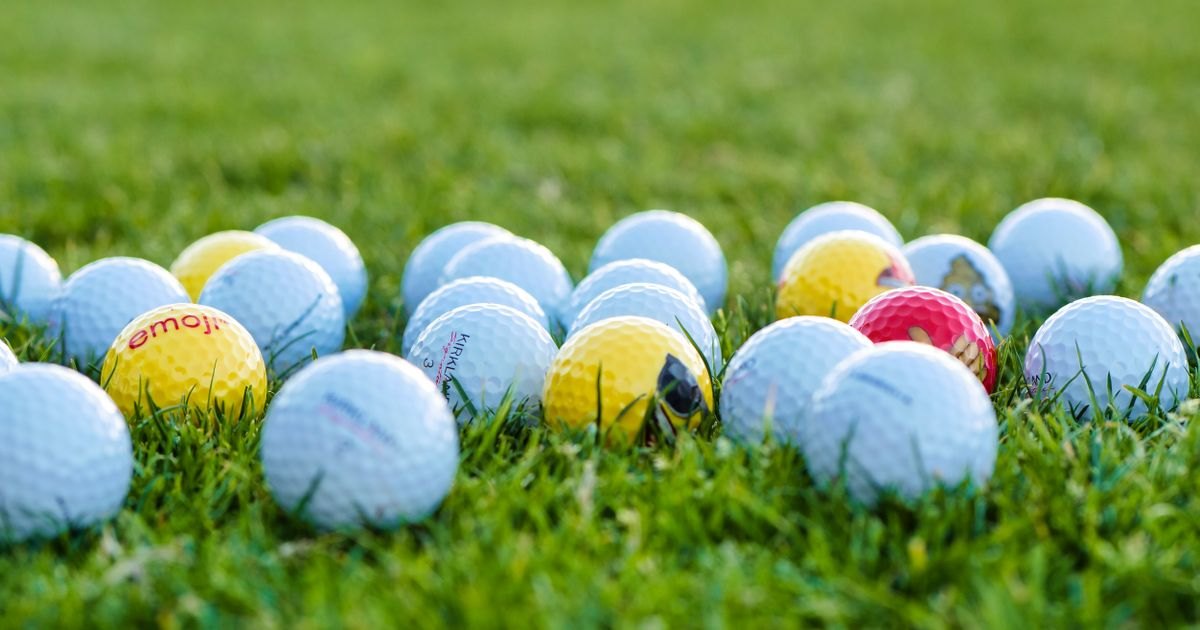
Buying your first golf balls? Compare new, used and refinished listings, seller grades, model identity, quantity, delivered cost and return conditions.
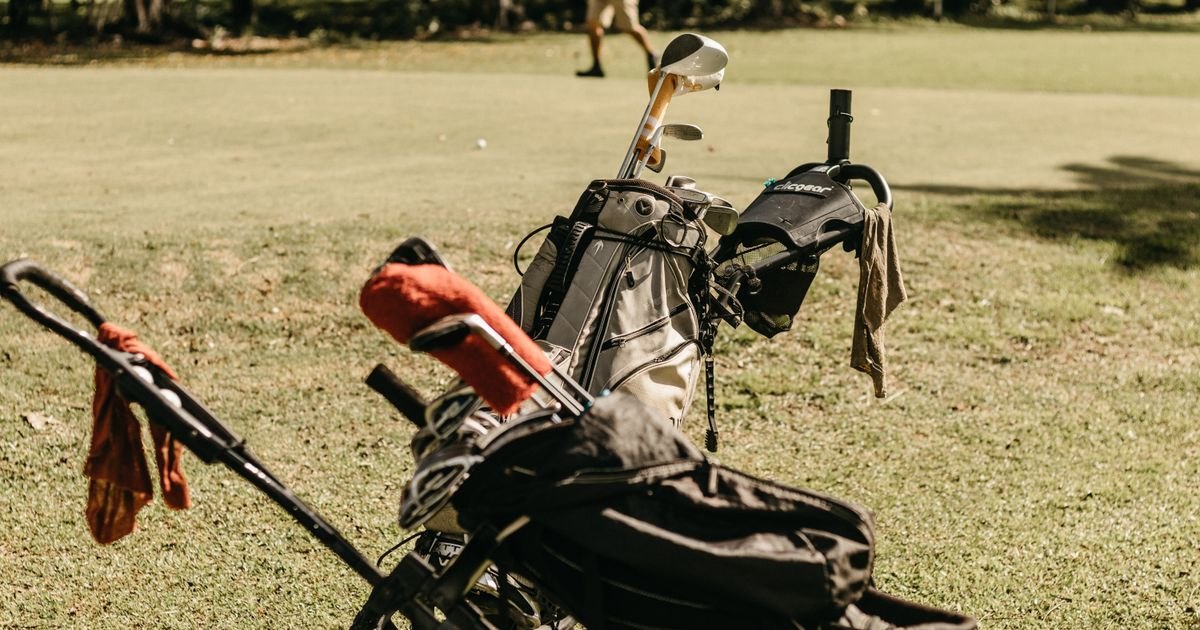
Build a beginner golf equipment care routine: check manufacturer instructions, clean suitable surfaces, dry clubs and covers, and store your bag.
Book your first golf round without a partner: understand single places, pairing, walk-ins, cart sharing and questions to ask before paying.
Plan your first driving range visit: check access, loaner clubs, clothing, ball purchases, local safety instructions and what to do when you arrive.
Choose your first golf glove by the hand it is worn on, finger and palm measurements, regular or cadet cut, try-on fit and the exact seller's terms.
Prepare for your first golf lesson: compare session formats, confirm equipment and costs, explain your goals and leave with a clear practice question.
Buying your first golf shoes? Check your course's footwear policy, fit and width, sole type, weather claims and seller terms before choosing a pair.

Build a first-round golf budget from a dated local quote: green fee, club rental, cart, range balls, tax and travel without counting bundled items twice.

Renting golf clubs for your first round? Confirm handedness, contents, availability, total charges and collection and return terms before you book.