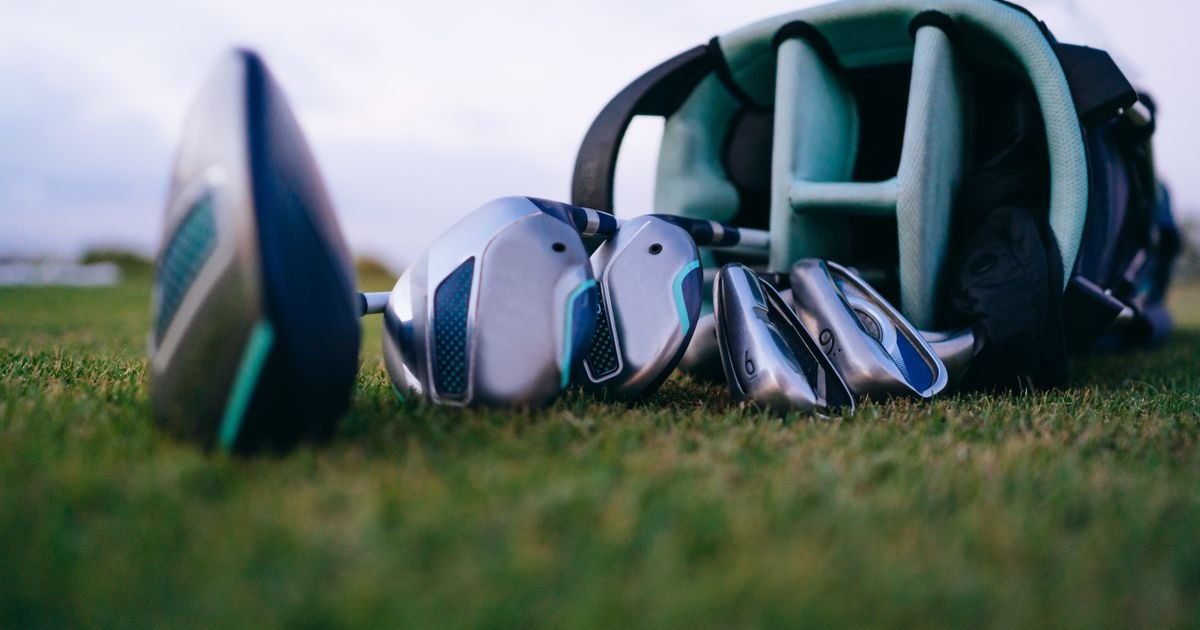
Custom Golf Headcovers: Fit, Design and Ordering Checks
Plan a personal custom golf headcover: confirm the club fit, distinguish text personalization from original design, and check proofs, fees and terms.
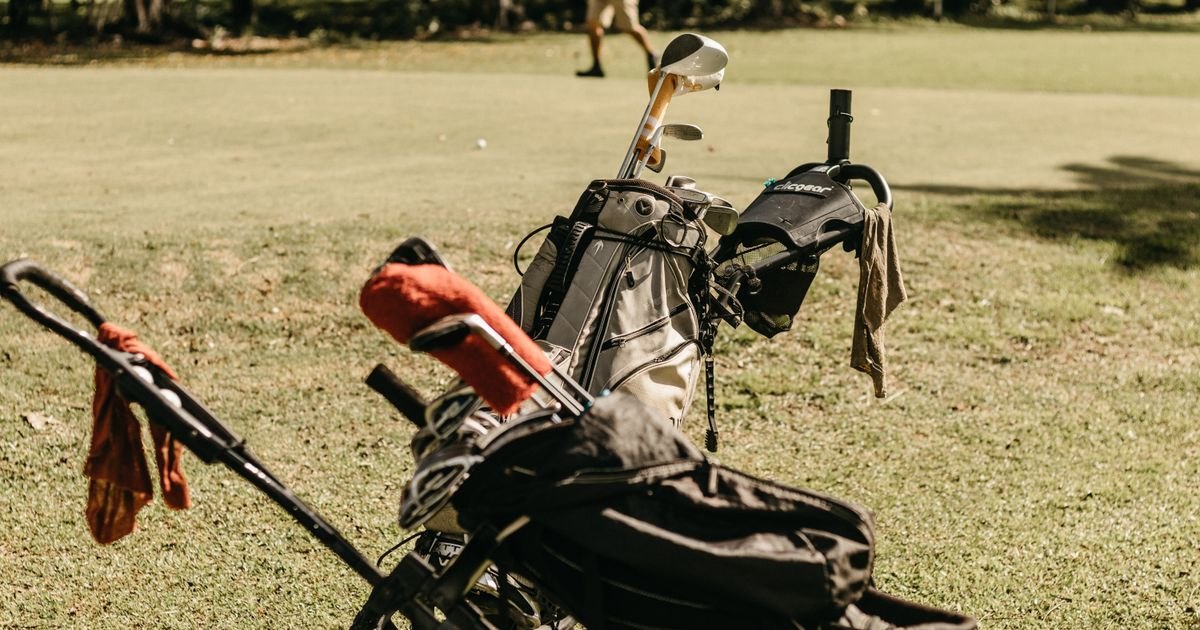
Buying your first golf clubs? Plan rentals or ownership, total budget, set contents, fit questions and seller protections before paying.
Last updated
| If you want to… | Read |
|---|---|
| Beginners do not have to buy fourteen golf clubs. Compare renting, a smaller selection and a package around your learning plan and budget. | Do Beginners Need a Full Set of Golf Clubs? |
| Compare new package sets and used golf clubs for beginners: inventory, fit, condition, delivered cost and seller-specific purchase protection. | Package Set vs Used Clubs: What to Check Before Buying |
| Check beginner golf set contents by counting clubs separately from bags and headcovers, then identify wedges and long-club roles. | Which Clubs Are Included in a Beginner Set—and What’s Missing? |
| Understand golf club length, loft and shaft flex, record exact options and prepare fit questions without predicting distance from specifications. | Golf Club Length, Loft and Shaft Flex: What Beginners Should Know |
| Buying your first golf bag? Check how you will transport it, straps, club access, included accessories and the complete price before paying. | Your First Golf Bag: Essential Items and Optional Extras |
When buying your first golf clubs, decide whether to rent or own, set a complete budget, list the actual clubs and confirm fit and seller protections. A package set can simplify shopping; a checked used selection is another route. Use this guide for the purchase process and the linked pages for each decision.
This is a purchase-planning guide. TeeClear has not hit, measured or ranked the products referenced in these pages. Manufacturer pages support specifications and available options; their performance claims are not our test results.
Write down where you will practise, where you will play and whether you can rent or borrow suitable clubs before purchasing. Borrowing a set before a round is different from assuming players can share clubs during one; check applicable Rules and course requirements.
If you choose course equipment, follow the rental booking and handover guide to confirm the actual set and terms for your visit.
If you have never handled a club, ask an instructor to help establish a starting setup. Our editorial suggestion is to spend on resolving uncertainty before spending on more pieces. A lesson or rental can answer a different question from a product specification sheet. Use the first-lesson booking checklist to establish what a provider can supply.
| Starting route | Suitable question to resolve first | Cost to record |
|---|---|---|
| Borrow before a visit | Does the facility accept the equipment, and can an instructor help check it? | Any transport or inspection cost you actually incur |
| Use facility equipment | Is a suitable hand/length option available for this booking? | Loan/rental charge and what is included |
| Buy a starting setup | Are the exact contents, fit questions and seller terms resolved? | Delivered purchase total plus missing items |
Facility equipment is not one uniform offer: UW’s range describes loaner clubs with a bucket purchase, while Bill Wright’s course-rate page lists rental clubs separately. These were checked on 16 October 2026; neither confirms what a different venue can supply for your visit. Use the first-round cost worksheet for a round’s expenses, and keep ownership costs in the budget below.
Use your own currency and actual quotes. Do not compare a delivered package with a used listing that excludes a bag, shipping and repair work.
| Budget line | Your amount |
|---|---|
| Clubs | ___ |
| Bag if not included | ___ |
| Delivery, tax or import charges | ___ |
| Grips, repairs or specification checks | ___ |
| Essential accessories | ___ |
| Money retained for lessons, practice and playing | ___ |
The blanks are a planning worksheet, not an estimate of market prices. If the total is uncomfortable, consider renting longer or a smaller starting selection. See whether you need a full set.
Record each club individually. A “piece” count can include the bag and headcovers, so it is not a reliable club count. Confirm the exact model, sales region and selected variant; do not merge specifications from a similarly named product in another market.
Use the set-contents guide to look for missing or duplicated roles, then compare package sets with used clubs.
For concrete US listings, open the package configuration comparison. It links individual Wilson Profile, COBRA Fly-XL, TaylorMade RBZ and Tour Edge TE-200 half-set records with dated prices, source differences and unresolved purchase details.
Write down the offered length, shaft and handedness. Ask what can be tried, measured or returned. PING and Titleist describe fitting as a process that combines starting information with shots and player feedback. A chart can help start a conversation; it is not evidence that one listed set fits every beginner.
Read length, loft and flex before treating “standard” or “regular” as a complete specification.
Save the listing, selected options and seller identity. Read the actual seller’s warranty and return terms before hitting the clubs. A product return, a condition dispute and a warranty claim may follow different procedures. Get contradictory specifications clarified in writing rather than choosing the most attractive description.
Use the first golf-ball buying checklist for a clearly identified ball supply before paying for optional decoration or a large mixed lot. It separates product condition, seller grades and total cost.
If you also want names, color choices or personalized accessories, use the appearance-personalization buying checklist after establishing the base equipment and budget. It separates published customization options from terms that still need provider confirmation.
Our first-bag guide separates carrying needs from optional extras. Once equipment is arranged, follow your first round, step by step and the packing list. Equipment supports the visit; it need not consume the entire starting budget.
For appointment scope, fees and written recommendations, use your first club fitting checklist.
Research checked 15 October 2026. Prepared by TeeClear from the sources above. Check local course requirements and current seller information. No hands-on equipment testing is claimed.
Cover photo: Kawê Rodrigues on Pexels, used under the Pexels License. Illustrative stock photo; not a field-test image or a guarantee of course conditions.
Plan a personal custom golf headcover: confirm the club fit, distinguish text personalization from original design, and check proofs, fees and terms.

Buying your first golf balls? Compare new, used and refinished listings, seller grades, model identity, quantity, delivered cost and return conditions.
Prepare for your first golf club fitting: choose a session, confirm fees and purchase conditions, and request specifications before ordering clubs.
Build a beginner golf equipment care routine: check manufacturer instructions, clean suitable surfaces, dry clubs and covers, and store your bag.
Check small-order quantities, marker holders, bag-tag attachments, design proofs and seller terms before buying personalized golf accessories.
Plan your first driving range visit: check access, loaner clubs, clothing, ball purchases, local safety instructions and what to do when you arrive.
Choose your first golf glove by the hand it is worn on, finger and palm measurements, regular or cadet cut, try-on fit and the exact seller's terms.
Prepare for your first golf lesson: compare session formats, confirm equipment and costs, explain your goals and leave with a clear practice question.
Buying your first golf shoes? Check your course's footwear policy, fit and width, sole type, weather claims and seller terms before choosing a pair.

Build a first-round golf budget from a dated local quote: green fee, club rental, cart, range balls, tax and travel without counting bundled items twice.
Plan golf bag embroidery: confirm the exact bag or removable pocket, artwork, usable area, proof, complete cost, production schedule and seller terms.
Compare golf club engraving, stamping and paintfill as purchase requests. Check the exact club, location, process, proof, cost and terms before approving work.
Compare personalized golf ball order types: text, library designs and uploaded logos, with checks for model, minimum quantity, proofs, cost and returns.
Explore names, colors, bag embroidery and accessory personalization, with checks for exact options, proofs, costs and seller-specific terms.

Renting golf clubs for your first round? Confirm handedness, contents, availability, total charges and collection and return terms before you book.